Disclosure: This article may contain affiliate links. If you buy through these links, we may earn a commission at no extra cost to you. Our recommendations are based on editorial criteria, not commission rates.
Turmeric is a culinary spice with a long history in traditional medicine. Curcumin is its best-studied active compound for inflammation — but “turmeric” on a label does not guarantee meaningful curcumin dose or absorption. Plain curcumin is poorly bioavailable: the gut and liver clear most of it before it reaches the bloodstream unless it is paired with piperine (black pepper) or formulated for enhanced absorption.
Human trials show modest anti-inflammatory and symptom benefits in some conditions (e.g., knee osteoarthritis), not dramatic reversal of chronic disease. Curcumin is best viewed as a supportive adjunct to medical care, anti-inflammatory diet patterns, sleep, and movement — not a replacement for prescribed therapy.
If you take blood thinners, have gallstones, or are scheduled for surgery, read the interaction section before supplementing.
Quick answer
For inflammation research, trials often use 500–1,500 mg/day of curcuminoids (sometimes with 5–20 mg piperine or enhanced formulations) for 8–12 weeks. Culinary turmeric alone provides far less absorbable curcumin. Effects are typically modest. Stop before surgery unless cleared; use caution with anticoagulants, diabetes drugs, and gallbladder disease.
Who this is for
Adults exploring turmeric/curcumin for joint discomfort, general inflammatory symptoms, or metabolic health support who want evidence-based dosing and safety framing — not cure claims.
Who should be careful
Avoid or use only with clinician approval if you:
- Take warfarin, direct oral anticoagulants, antiplatelet drugs, or NSAIDs regularly — bleeding risk
- Have gallstones or bile duct obstruction — curcumin stimulates bile flow
- Have iron deficiency — high-dose curcumin may impair iron absorption
- Take chemotherapy or immunosuppressants — interaction potential
- Are pregnant — high-dose supplements not established safe
- Plan surgery within two weeks — many surgeons advise stopping anti-inflammatory supplements
Turmeric vs curcumin
| Form | Curcumin content | Absorption |
|---|---|---|
| Culinary turmeric powder | ~2–5% curcumin by weight | Low |
| Curcumin extract capsules | Standardized % listed | Low unless enhanced |
| Curcumin + piperine | Defined dose | Improved |
| Phytosome / nanoparticle formulas | Defined dose | Improved (brand-specific) |
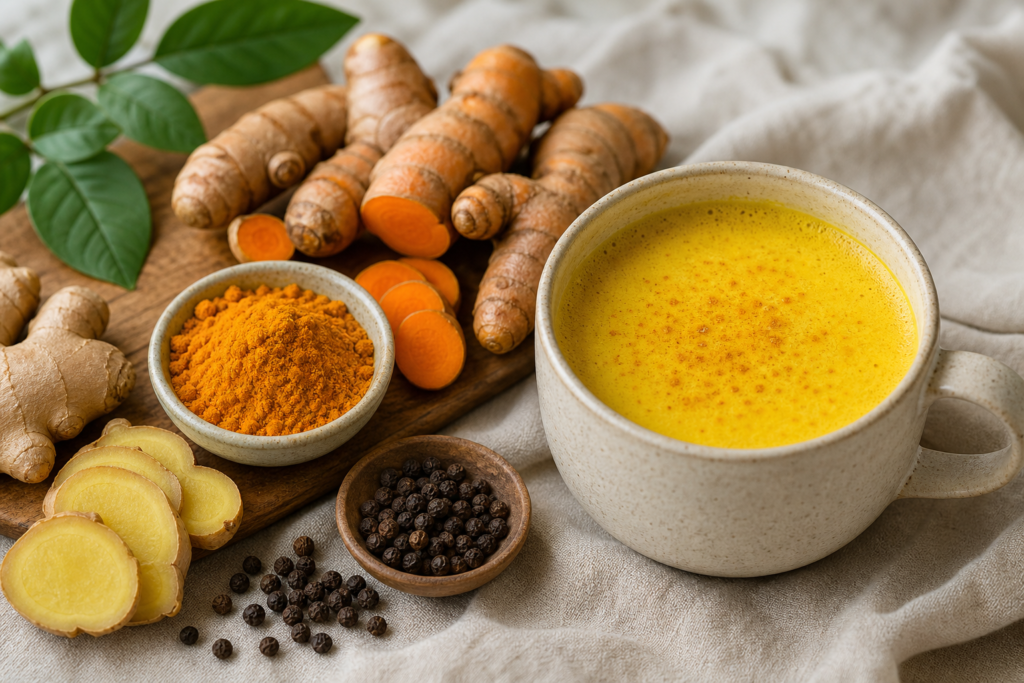
Cooking tip: Golden milk with fat + black pepper improves absorption versus dry spice alone — but still delivers less than concentrated extracts used in trials.
How curcumin may affect inflammation
Curcumin modulates inflammatory signaling pathways (including NF-κB, COX-2, and cytokine expression) in cell and animal models. Human relevance is narrower:
- Osteoarthritis knee pain: Several trials show reduced pain and improved function vs placebo over weeks
- Metabolic inflammation: Small improvements in inflammatory markers in some metabolic syndrome studies
- IBD: Investigational; not first-line — medical therapy required
NCCIH notes turmeric/curcumin may help arthritis-related pain but evidence is not strong enough for broad disease-treatment claims.
Dosage used in research
There is no single FDA-approved dose. Common research ranges:
| Goal | Typical curcuminoid dose | Duration | Absorption aid |
|---|---|---|---|
| Joint symptoms | 500 mg twice daily | 8–12 weeks | Piperine or enhanced formula |
| General inflammation markers | 1,000–1,500 mg/day split | 8–12 weeks | Often required |
| Culinary turmeric | 1–3 g spice in food | Ongoing | Fat + pepper in meal |
Start low (500 mg/day extract) for one week to assess GI tolerance before increasing.
Piperine and bioavailability
Piperine from black pepper inhibits glucuronidation in the gut and liver, sharply increasing curcumin blood levels. Many standard capsules combine curcumin + piperine.
Without enhancement, large amounts of plain curcumin may still produce limited systemic effect — do not assume “more turmeric spice” equals trial doses.
Side effects
| Effect | Notes |
|---|---|
| Nausea, diarrhea | Dose-dependent; take with food |
| Iron absorption | High doses long term — monitor if anemic |
| Bleeding | Theoretical + case reports with anticoagulants |
| Gallbladder contraction | Caution with gallstones |
| Liver enzymes | Rare elevations at very high doses — stop if jaundice |
Report unusual bruising or dark stools immediately.
See supplement side effects checklist.
Food and lifestyle inflammation basics
Supplements layer on top of patterns with stronger outcome data:
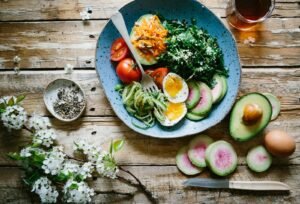
- Mediterranean / DASH-style eating — vegetables, fatty fish (omega-3), olive oil, legumes
- Weight management if elevated adiposity drives inflammation
- Sleep — short sleep raises inflammatory markers (sleep guides)
- Gut health — fiber and fermented foods (gut health naturally)
- Blood pressure and lipids — BP support, psyllium for cholesterol
Frequently Asked Questions
How much turmeric should I take for inflammation?
How long before curcumin works?
Is turmeric safe daily?
Can curcumin replace ibuprofen?
Does turmeric thin blood?
Can I take turmeric with diabetes medication?
Whole root vs extract?
Are enhanced absorption formulas worth it?
Bottom line
Curcumin has plausible anti-inflammatory mechanisms and modest clinical benefits in some joint and metabolic studies — but absorption limits plain turmeric spice as a medical intervention. If you trial it, use standardized extract, consider piperine or enhanced formulation, dose for 8–12 weeks, and screen for drug and gallbladder interactions. Inflammation management still starts with diet, movement, sleep, and prescribed care when needed.
Related Articles
- Omega-3 Fish Oil: Benefits, Dosage, and How to Choose
- How to Improve Gut Health Naturally
- Psyllium Husk for Cholesterol
- Supplement Side Effects: A Simple Safety Checklist
Sources
- NCCIH: Turmeric — https://www.nccih.nih.gov/health/turmeric
- NIH ODS: Antioxidants and health — https://ods.od.nih.gov/factsheets/list-all/
- Annals of Internal Medicine: Turmeric extracts for knee osteoarthritis — https://pubmed.ncbi.nlm.nih.gov/
- World Health Organization monographs on medicinal plants (context) — https://www.who.int/
- MedlinePlus: Turmeric — https://medlineplus.gov/druginfo/natural/662.html