Disclosure: This article may contain affiliate links. If you buy through these links, we may earn a commission at no extra cost to you. Our recommendations are based on editorial criteria, not commission rates.
Blood pressure is the force of blood against artery walls with every heartbeat. When it stays elevated — hypertension — the heart and vessels work harder, raising risk for stroke, heart attack, kidney disease, and cognitive decline. The good news: lifestyle changes lower blood pressure substantially for many people, sometimes enough to delay or reduce medication needs under medical supervision.
“Natural” does not mean “without risk.” Herbs, high-dose minerals, and aggressive sodium restriction in the wrong person can cause harm. This guide prioritizes evidence-ranked habits first, then discusses where supplements fit — always with the rule that you never stop blood pressure medication without your prescriber.
If your reading is 180/120 or higher, or you have chest pain, severe headache, or vision changes, seek emergency care — that is not a supplement situation.
Quick answer
The biggest natural levers are sodium reduction, potassium-rich whole foods (DASH pattern), regular aerobic + resistance exercise, weight loss if overweight, limiting alcohol, improving sleep, and managing stress. Together they can drop systolic pressure 10–20 mmHg in some people. Supplements like magnesium, potassium (only if deficient and prescribed), omega-3, or beetroot nitrate may add small adjunct effects — not replacements for meds when hypertension is confirmed.
Who this is for
Adults with elevated or stage 1 hypertension exploring lifestyle-first approaches, or people with family history wanting prevention — especially those told to “lifestyle modify” before or alongside medication.
Who should be careful
Work closely with a clinician if you:
- Already take antihypertensives — lifestyle changes can stack effects and cause low blood pressure
- Have kidney disease — potassium and sodium advice differs; avoid high-dose potassium supplements
- Have heart failure or arrhythmias
- Are pregnant — hypertension in pregnancy needs specialized care immediately
- Use licorice root, ephedra, or high-dose stimulant supplements — can raise BP
- Experience orthostatic dizziness when changing habits quickly
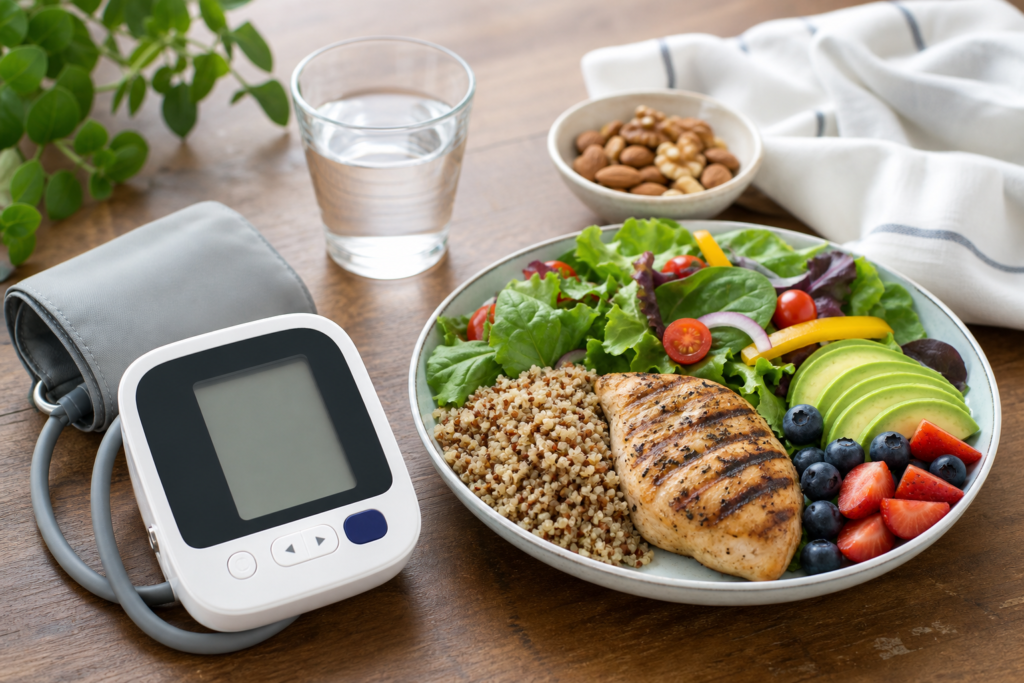
Home monitors are useful but must be validated — bring your device to an office visit for comparison.
Understanding your numbers
| Category (ACC/AHA adult framework) | Systolic (mmHg) | Diastolic (mmHg) |
|---|---|---|
| Normal | <120 | and <80 |
| Elevated | 120–129 | and <80 |
| Stage 1 hypertension | 130–139 | or 80–89 |
| Stage 2 hypertension | ≥140 | or ≥90 |
One high reading is not a diagnosis. Confirm with repeat measurements on different days, proper cuff size, and rested seating.
1. Eat a DASH-style pattern
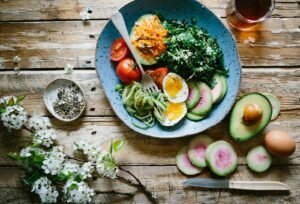
The Dietary Approaches to Stop Hypertension (DASH) diet is among the best-studied eating patterns for blood pressure. It emphasizes:
- Fruits and vegetables (potassium, magnesium, fiber)
- Whole grains
- Low-fat dairy or alternatives
- Fish, poultry, beans, nuts
- Limited red meat and sweets
- Reduced sodium
Meta-analyses show DASH can lower systolic BP by roughly 8–14 mmHg in hypertensive adults — comparable to one drug class for some individuals.
Practical swaps:
- Half plate vegetables at lunch and dinner
- Fruit with breakfast instead of sugary cereal
- Beans or fish instead of processed meats
- Herbs and citrus instead of salty seasoning blends
2. Reduce sodium realistically
Average U.S. sodium intake exceeds guidelines. Target <2,300 mg/day sodium; 1,500 mg may lower BP further in sensitive people.
High-sodium traps:
- Restaurant meals and takeout
- Bread, cold cuts, canned soups
- Sauces, seasoning packets, cheese
- “Healthy” snacks that are still salty
Gradual reduction retrains taste buds in a few weeks. Potassium-rich foods help counterbalance sodium’s effect — unless kidney disease restricts potassium.
3. Move most days
Aerobic exercise (brisk walking, cycling, swimming) 30 minutes most days can lower systolic BP 5–8 mmHg. Resistance training 2–3×/week adds benefit and supports weight management (creatine and training if relevant).
Effects appear within 1–3 months of consistency. Stop exercising if you have uncontrolled very high BP until cleared — rare for typical elevated readings but ask your clinician.
4. Lose modest weight if overweight
Each ~1 kg (2.2 lb) loss may drop systolic BP roughly 1 mmHg in overweight adults. You do not need extreme diets — sustainable deficit with protein and fiber (whey vs plant protein, fiber supplements) protects muscle.
5. Limit alcohol
More than one drink/day for women or two for men tends to raise BP. Brief alcohol reduction trials show measurable drops within weeks.
6. Protect sleep and manage stress
Short sleep and sleep apnea sustain hypertension. Screen for snoring and unrefreshing sleep. Stress raises sympathetic tone — breath work, CBT, and walking help; they are not weak substitutes, they are physiology.
See magnesium for sleep and melatonin vs magnesium only after apnea is ruled out.
7. Where supplements fit (secondary)
| Supplement / approach | Evidence summary | Caution |
|---|---|---|
| Magnesium | Modest BP reduction if low intake | GI effects; kidney disease |
| Potassium | Effective if deficient — often from food | Do not supplement without labs/MD if kidneys impaired |
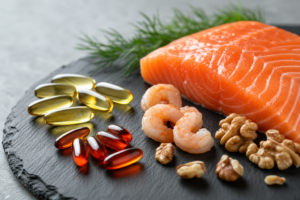
| Omega-3 (high dose) | Small reductions in some meta-analyses | Bleeding risk high doses; omega-3 guide |
| Beetroot / dietary nitrate | Acute modest lowering via nitric oxide | Interacts with some meds; not daily crutch |
| Psyllium fiber | Indirect via lipids and weight | Psyllium cholesterol |
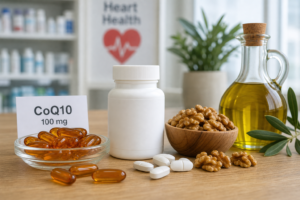
| CoQ10 | Small effect in some trials | CoQ10 heart guide |
| Garlic extracts | Small modest effects | Bleeding, odor, variable products |
Use supplement safety checklist before stacking.
When medication is essential
Lifestyle is first-line for many with stage 1 HTN, but medication saves lives when:
- BP remains ≥140/90 despite sustained lifestyle change
- Cardiovascular disease, diabetes, or kidney disease coexist
- 10-year ASCVD risk is high per clinician calculation
Never abandon prescriptions because a blog ranked “natural” approaches. Combine them with medical care.
Frequently Asked Questions
How fast can lifestyle lower blood pressure?
What is the best drink for high blood pressure?
Does caffeine raise blood pressure?
Can meditation lower blood pressure?
Is sea salt better than table salt?
Should I take potassium pills?
Does apple cider vinegar lower blood pressure?
When should I use a home monitor?
Bottom line
Supporting healthy blood pressure naturally means DASH-style eating, less sodium, regular movement, weight care, alcohol limits, and sleep — not a secret herb. Supplements may nudge numbers slightly for some people but do not replace diagnosis, monitoring, or medication when risk is high. Build habits you can sustain for years; track BP with your clinician to see what actually works for your body.
Related Articles
- Psyllium Husk for Cholesterol
- Omega-3 Fish Oil: Benefits, Dosage, and How to Choose
- CoQ10 for Heart Health
- Magnesium Glycinate vs Citrate
- Supplement Side Effects: A Simple Safety Checklist
Sources
- American Heart Association: Changes You Can Make to Manage Blood Pressure — https://www.heart.org/en/health-topics/high-blood-pressure/changes-you-can-make-to-manage-high-blood-pressure
- NIH NHLBI: DASH Eating Plan — https://www.nhlbi.nih.gov/education/dash-eating-plan
- CDC: High Blood Pressure — https://www.cdc.gov/bloodpressure/
- ACC/AHA Guideline summaries (hypertension) — https://www.heart.org/
- NIH ODS: Magnesium — https://ods.od.nih.gov/factsheets/Magnesium-HealthProfessional/