Disclosure: This article may contain affiliate links. If you buy through these links, we may earn a commission at no extra cost to you. Our recommendations are based on editorial criteria, not commission rates.
If you have read anything about gut health lately, you have seen the trio: probiotics (live microbes), prebiotics (fuel for microbes), and postbiotics (what microbes make, or carefully prepared inactive microbial material that may still benefit the host). Postbiotics are the newest category to go mainstream — and also the easiest to misunderstand, because the word can mean different things on a label.
The short answer: postbiotics are not alive. They include metabolites such as short-chain fatty acids (SCFAs) made when your gut bacteria ferment fiber, plus certain inactivated bacteria or parts of bacteria that researchers study for immune and barrier effects. Food-first approaches that combine diverse fiber (how to improve gut health naturally) with fermented foods remain the most practical way to support a postbiotic-rich gut environment for most healthy adults. Supplements are still an emerging market; quality and evidence vary sharply by ingredient.
This article explains definitions, what the research suggests (without overclaiming), food versus pills, safety, and how postbiotics fit next to probiotics vs prebiotics.
Who should be extra cautious
Talk with a qualified clinician before changing diet or supplements if you have inflammatory bowel disease, short bowel syndrome, a central line, are immunocompromised, or have complex GI symptoms. Postbiotic supplements are not risk-free for every person, and food-first guidance still needs to match your tolerability (for example, high-fiber or high-FODMAP foods can worsen symptoms in some conditions).
A practical definition
The International Scientific Association for Probiotics and Prebiotics (ISAPP) published a consensus definition: a postbiotic is a *preparation of inanimate microorganisms and/or their components that confers a health benefit on the host*. That wording matters:
- Inanimate means not required to be viable (alive) at the time you consume it.
- Preparation emphasizes manufacturing and quality: not “any random dead culture,” but a defined material produced in a controlled way.
- Health benefit is the same bar probiotics are supposed to meet — but many consumer products will use the term postbiotic on marketing long before they have outcome data in humans.
In everyday language, people also use “postbiotic” loosely to describe metabolites produced during fermentation — especially butyrate, propionate, and acetate (SCFAs) — even when those molecules are not coming from a packaged “postbiotic” ingredient. That overlap is confusing but common.
How postbiotics differ from probiotics and prebiotics
| Concept | What it is | Examples |
|---|---|---|
| Probiotic | Live microorganism(s) studied for a health benefit when given in adequate amounts | Certain *Lactobacillus*, *Bifidobacterium*, *Saccharomyces boulardii* strains |
| Prebiotic | Substrate selectively used by host microorganisms with a health benefit | Inulin, FOS, GOS, resistant starch — see fiber supplements: psyllium vs inulin |
| Postbiotic | Inanimate microbes and/or their components (or, colloquially, their bioactive metabolites) | Heat-inactivated strains, cell wall fragments, enzymes, some fermentation-derived bioactives; SCFAs as end products of fiber fermentation |
If you are choosing where to start, the same hierarchy usually applies as in our probiotics vs prebiotics guide: diet pattern and fiber diversity first, fermented foods when tolerated, and targeted supplements when there is a specific, evidence-matched reason.
Major types researchers discuss
Short-chain fatty acids (SCFAs)
When bacteria ferment fiber in the colon, they produce acetate, propionate, and butyrate. Butyrate is especially famous as a fuel source for colonocytes and for signaling roles in inflammation and barrier function. You do not need a “butyrate supplement” to increase SCFA production if you can raise fermentable fiber tolerance and microbiome diversity through food — that is the most durable route for many people.
Inactivated whole cells and lysates
Some studies use heat-killed or otherwise inactivated lactobacilli or bifidobacteria. The idea is that cell surface structures can interact with immune pathways without requiring colonization. Translating that into a specific retail product is where evidence gets patchy: strain, dose, matrix, and study population all matter.
Enzymes, peptides, and cell-wall components
Depending on the preparation, postbiotic-related research can include peptidoglycan fragments, secreted proteins, or other bacterial components. These are not interchangeable; “postbiotic” on a label does not tell you which mechanism is relevant.
Fermented foods: food sources of bioactives (and sometimes live cultures)
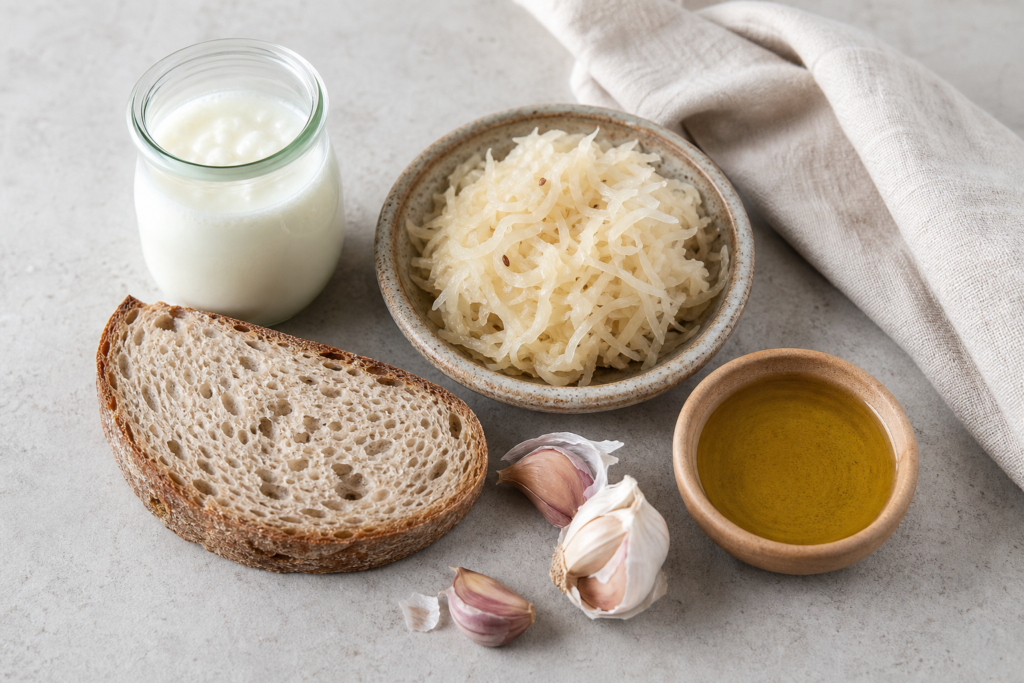
Yogurt, kefir, kimchi, sauerkraut, miso, and similar foods deliver organic acids, peptides, and other fermentation products — and may also deliver live microbes. Even if live counts vary, the fermentation process itself creates a cocktail of metabolites that may support flavor, preservation, and possibly health — but effects are food- and process-dependent.
What human evidence suggests (and where hype creeps in)
Reasonable, evidence-grounded expectations:
- Fiber → fermentation → SCFAs is one of the best-supported mechanistic stories in gut nutrition. It is also why increasing diverse plant foods often tracks with better outcomes in population studies and microbiome research.
- Specific inactivated microbial preparations have early clinical trials for selected outcomes (for example, immune or digestive endpoints in defined populations). Results should not be generalized to every “postbiotic” capsule.
- Fermented foods show promising signals in controlled feeding studies for microbiome and immune markers in some cohorts; they are not a cure-all, and not everyone tolerates them.
Red flags in marketing:
- Claims that a postbiotic “replaces” fiber or “fixes” the microbiome quickly
- Vague blends with no strain-level identity or human outcome data
- Implied superiority over probiotics in general (the comparison is ingredient-specific, not categorical)
Food-first ways to support postbiotic-related pathways
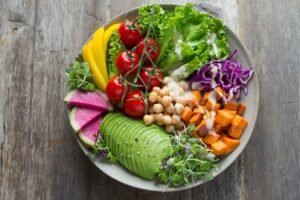
- Increase fermentable fiber gradually from varied plants (legumes, whole grains, vegetables, seeds). This is the backbone of SCFA production for most people.
- Add fermented foods if tolerated, alongside fiber — not as a substitute for it.
- Keep ultra-processed foods from crowding out whole plants; diet quality shifts microbiome function in ways supplements rarely undo.
If you struggle with bloating on fiber, a structured approach (often with a dietitian) beats randomly stacking supplements.
Postbiotic supplements: how to read labels
If you are considering a product marketed as a postbiotic, use this checklist:
- Identity: Is the organism named at genus, species, and strain level (when applicable)? If the label only says “Lactobacillus blend,” you cannot match it to research.
- Inactivation method and rationale: Heat-killed, tyndallized, spray-dried — the label may not say, but reputable brands often explain what the preparation is.
- Evidence: Does the company cite human trials for *this* preparation, not a distant cousin strain?
- Dose and duration: Microbial products are dose-dependent; “some” is not the same as the studied amount.
- Third-party testing: Contaminants and label accuracy matter, especially with fermentation-derived ingredients.
If you cannot answer those questions from the label or the manufacturer’s science page, treat the product as experimental — or skip it.
Safety: what we know
For general healthy adults, foods that support microbial fermentation and modest amounts of fermented foods are typically safe, with the caveat that sudden large increases in fiber can cause gas and bloating.
For postbiotic supplements, consider:
- Immunocompromised individuals should not assume “dead bacteria = automatically safe.” Medical guidance should be individualized.
- Digestive disease flares can change tolerability; what was fine last month may not be fine during a flare.
- Quality control varies by brand; rare contaminations and mislabeling are perennial industry issues.
Frequently Asked Questions
What are postbiotics in simple terms?
Postbiotics vs probiotics: which is better?
Can you get postbiotics from food?
Are postbiotic supplements safe?
Do postbiotics help with bloating?
Is butyrate the same as a postbiotic?
Should I take postbiotics with antibiotics?
How long until I notice a benefit?
Bottom line
Postbiotics describe beneficial inanimate microbial preparations and/or their bioactive components — and the term is also used informally for fermentation metabolites like SCFAs that support gut and immune signaling. For most people, the strongest lever remains a high-fiber, plant-diverse diet with fermented foods as tolerated, not a trendy capsule. If you buy a postbiotic supplement, treat strain identity, human evidence, and manufacturing quality as non-negotiable — and get medical guidance if your health status makes any microbial-adjacent product higher risk.
Related Articles
- Probiotics vs Prebiotics: Which Should You Try First?
- How to Improve Gut Health Naturally: Diet, Habits, and Supplements
- Fiber Supplements for Appetite: Psyllium vs Inulin
Sources
- Nature Reviews Gastroenterology & Hepatology (ISAPP consensus): The definition of postbiotics — https://pubmed.ncbi.nlm.nih.gov/35337674/
- Cell: Gut-microbiota-targeted diets modulate human immune status (fermented foods context) — https://pubmed.ncbi.nlm.nih.gov/34256014/
- NIH Office of Dietary Supplements: Probiotics (related regulatory and evidence context) — https://ods.od.nih.gov/factsheets/Probiotics-HealthProfessional/
- MedlinePlus: Dietary fiber — https://medlineplus.gov/dietaryfiber.html